Field story · Khirdwari, Uttarakhand
Laxmi'sstory.
Thirteen river crossings from the road, seventy kilometres from a hospital. Laxmi Negi's account of Khirdwari, told in her own documented words.
All quotes and details on this page come from the Project Dawn field documentation. Nothing is dramatised, and nothing is invented.
01
The person
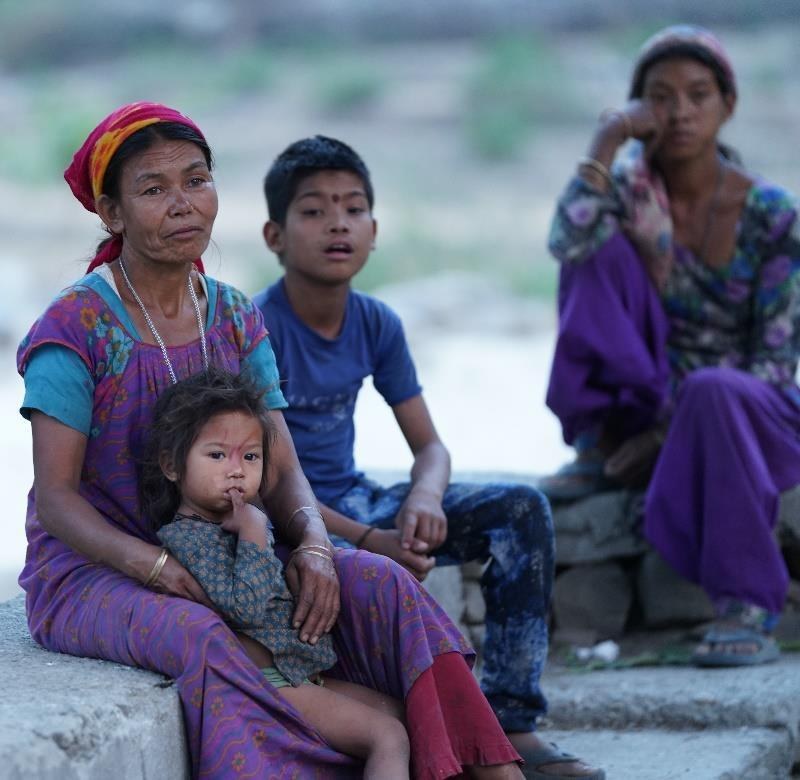
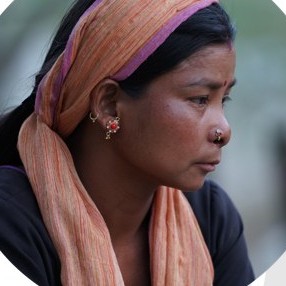
"Hi, my name is Laxmi Negi." That is how she introduces herself in the Project Dawn field documentation. She lives in Khirdwari, a small village in the Champawat district of Uttarakhand, one of the three villages the project adopted in the Ladhiya Valley.
"My village lacks basic amenities that include clean drinking water, hospital facility, electricity or proper education facilities. Due to lack of economic stability it is also hard for many of us to migrate and find proper jobs."
02
The place
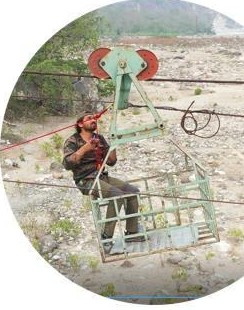
To reach Khirdwari, one crosses the Ladhiya river thirteen times. Rain can raise the water without warning into a flood-like situation. There is a rope-way across the valley. The last time it worked was in 2017.
"This is the only source of water we have. It tends to get destroyed during landslides, after which the river remains the only option."
A single water tank fills in the rainy season; the village uses that water for the whole year.
03
The challenge
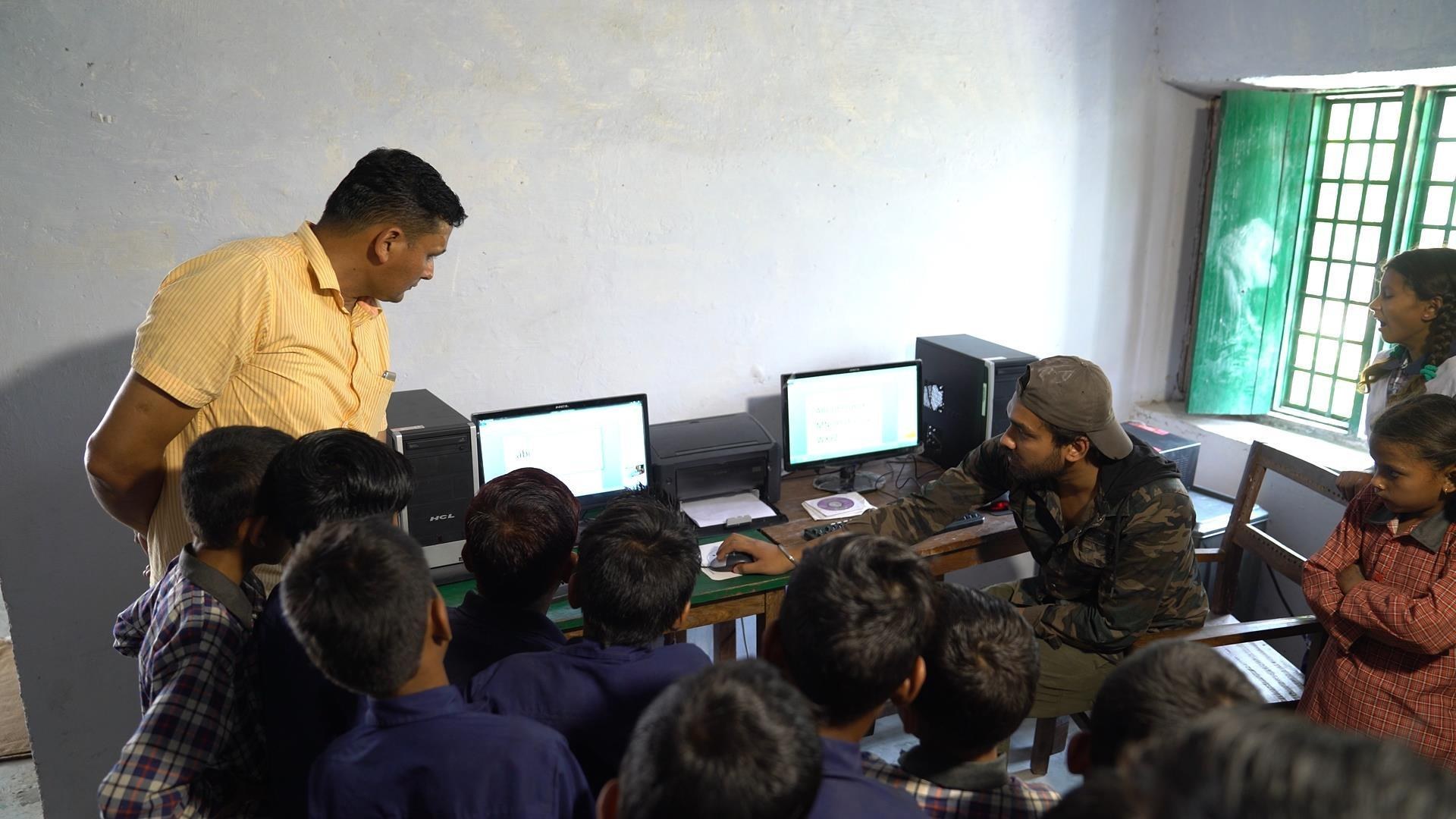
The nearest hospital is 70 kilometres away. Expectant mothers depend on their elders. There is no proper hospital facility. The local school was given two computers, but they were kept for display: there was no electricity to run them.
Menstruation carries a taboo the village calls Mahawari: for five days a woman is not allowed to enter her own house, even if it rains, and purification rituals follow before she may return.
04
The field visit
The Project Dawn team trekked 70 kilometres to reach the villages and lived there, recording what residents said they needed before anything was promised. When the women were kept outside during Mahawari, Nikhil Pratap Singh stood beside them, and accepted the same purification ritual they did. Respect first; change after.
05
What changed
The valley's documented interventions reached Khirdwari's families: a 1.5 kW solar panel, a hand pump, the river trolley repaired, medicines and sanitary pads distributed, stationery for the school children, and the school's computers switched on for the first time in nine years. Through the pandemic, ration kits, pads and clothes followed.
06
What remains
Most of it. The hospital is still 70 kilometres away, the rope-way still does not run, and the river still floods. One pilot does not undo isolation, which is exactly why the work, and this story, continue.